
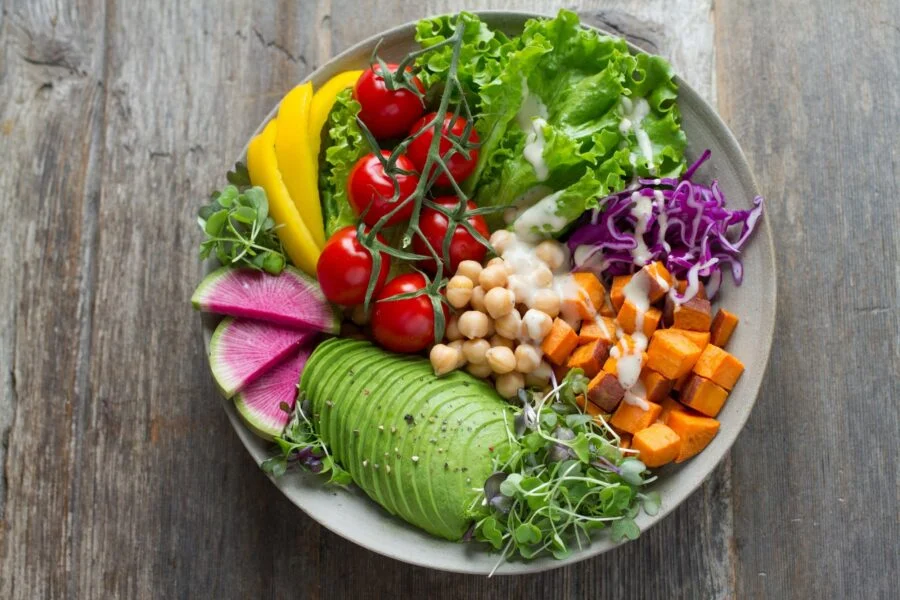
 Most people understand the need to eat healthy to be healthy. But many people struggle with knowing how to do this. Perhaps you, like millions of Americans, are confused about what is truly healthy and what foods promote healing. This article is dedicated to the topic of using whole foods to support healing.
When you stop to think about it, the food we eat is intended to nourish our bodies so that they have the capacity to produce the energy we need to think clearly, enjoy life, and do various tasks. We also know that, in life, we deal with many different kinds of stressors. There are physical or environmental stressors, like harmful chemicals and toxic metals in our food and water supply. There are also emotional or mental stressors that we deal with on a regular basis. All of these stressors can cause dysregulation in the body. When our bodies don’t have the capacity to handle the many stressors impacting them, then our bodies can develop neurological struggles, metabolic or digestive issues, and a whole host of other complex health issues.
Nourishing our bodies appropriately is vital if we want to enjoy greater wellness and joy in life.
I think it’s important to mention that eating healthy is a mindset. In order to eat healthy, you need to be committed to doing so with the understanding that there may be times when it is harder to eat healthy, such as when you are traveling or eating at a gathering. The 90/10 rule is a good one. Seek to eat healthy whole foods about 90% of the time or work your way to doing so. Maybe you are only comfortable with more of an 80/20 or 70/30 ratio. That’s okay. Start where you are at and work your way to increase the amount of healthy whole foods you consume.
Now let’s dive into what nourishing whole foods are among my top four to promote healing, and why I feel they are important to include in our diets.
1. Fats. Good healthy fats are essential to the health of all of our cells, tissues, and organs. Essential fatty acids from foods like organic extra virgin olive oil, butter from 100% grass-fed cattle, organic cold-pressed coconut oil, and ghee are my go-to fats that I use nearly every day. Olive oil is great for salad dressings and as a drizzle on top of roasted veggies.
Without enough good fats, the cells of our bodies can become damaged and more susceptible to all kinds of diseases. A lack of nourishing fats is linked to neurodegeneration, mood disorders, and inflammation of the brain and body. Good fats also help promote healthier blood flow and cognitive function.
Good fats are vital to healthy heart and brain function. The body and brain rely heavily on fats to absorb nutrients from foods containing vitamins A, D, and E. Good fats provide long-sustaining fuel for the body, whereas carbohydrates provide only short-term energy. The nerve fibers in our bodies are insulated by essential fatty acids, so healthy fats are essential for optimal nerve health and function.
Most people are good at getting fats in their diet, but they are likely consuming harmful fats, such as soybean oil, corn oil, vegetable oil, and canola oil. These oils are highly processed; they are not natural at all. They may have started with a base of natural ingredients, but they are processed at high temperatures with a number of different toxic chemicals. The end product sold to you does more harm than good. It is not nourishing to your body.
The goal with fat consumption is to avoid the harmful fats as much as possible. Processed fats, like corn oil, vegetable oil, and soybean oil, actually damage the outer layer of our cells, affect our DNA, and put us at a higher risk for various inflammatory conditions. Beware, these harmful fats are often in products marketed as low-fat. We don’t want harmful low-fat products, instead we want nourishing nutrient dense whole fats like the ones mentioned earlier in this article.
Since it is often hard to get enough essential fats in our diets, especially if we have been eating the standard American diet containing harmful fats, adding a high-quality supplement may be necessary. If you want help to determine which supplement(s) are recommended in your case, reach out for a quick discovery call. I can assist you.
2. Minerals. Many people are deficient in some key minerals, like magnesium, zinc, and trace minerals (which include copper, selenium, and iodine). All of these vital minerals play many different roles in the health of the body and brain.
My favorite food sources of magnesium are avocados, organic leafy greens, quinoa, and pumpkin seeds. I like to get my trace minerals from sea salt that has been tested for heavy metals that we don’t want in our foods or our bodies. There is one brand that I have come to trust. Connect with me if you’d like to learn about the best mineral supplements for your situation.
3. Protein. My go-to proteins are grass-fed beef, lamb, or bison along with some wild-caught salmon. I do occasionally incorporate chicken, but 100% grass-fed red meats are the most nutrient-dense meats. Personally, I find them to be the most tasty and satisfying too! To find sources, visit your local farmer’s market or connect with people in your community.
4. Fermented foods. The easiest fermented foods to incorporate into your diet are kefir, sauerkraut, or kimchi. All of these foods help promote a healthy gut microbiome and can help us better absorb other nutrients. There are many other fermented foods, but these are a good place to start. The additional benefit of sauerkraut is that it is high in vitamin C in a form that is readily absorbed by the body.
Trying to have a little bit of some type of fermented food each day or a few times per week is a great goal.
If you suspect that you may be deficient in key nutrients or if you feel that you have some sensitivities to certain foods, request help from Anita.
Healing is possible. Consuming more healthy whole foods is a wonderful place to start. Mindset matters. If you want to be healthy, you have to make a commitment to eat healthy. We can’t expect our health to get better if we don’t eat better.
Blessings as you keep on keepin’ on in your journey to thrive with greater wellness. It may not be easy, but it is so worth it!
-Anita
*Note: I did not include breads or foods containing grains. Most of our grains are genetically modified, highly processed, and grown in soils that are depleted of nutrients. The end product is generally denatured and no longer health-promoting. Rather, these foods are linked to increased inflammation.